Europe
Bagpipes
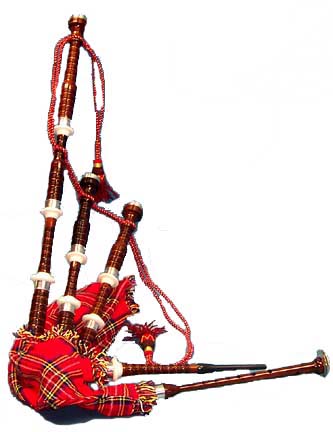
A member of the winds family. Originally made from the stomach of a sheep, the bag in the bagpipes stores air which when expelled using the arm creates what is called a "drone" a long steady note on top of which the musician plays the melody by blowing into the pipes.
Celeste
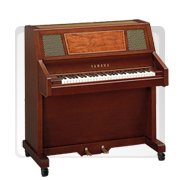
A member of the percussion family. Similar to the modern day piano, the Celeste produces a softer more metallic sound.
Fujara

A member of the winds family. Capable of naturally producing only three notes, the Fujara can be "overblown" to create a standard scale.
Guitar
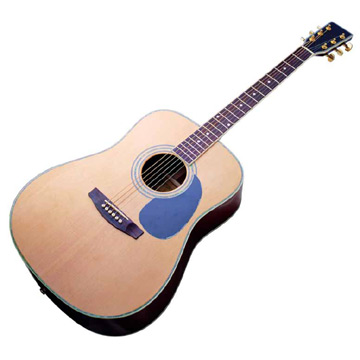
A member of the strings family. Played in almost every culture in the world, the Guitar comes in six string as well as twelve string varities. The sound is produced by plucking the strings with a finger or pick and using the fingers on the other hand to press strings on the neck. Doing this shortens the strings producing different tones.
Psaltery
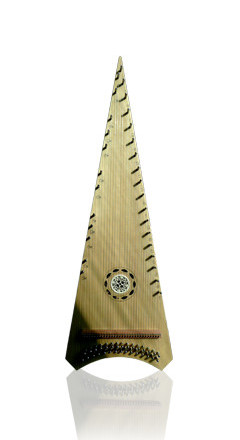
A member of the strings family. Used for centeries, the Psaltery is essential a hand held harp and is played in the same manner.
Sackbut

A member of the winds family. The precusor to the modern day trombone, the Sackbut (and trombone) are considered the longest surviving instrument in the modern day western wind ensemble.
Tabor

A member of the percussion family. Another early instrument that survives to this day, the Tabor is what most people think of when they talk about a western / European style drum. Played in combination with the "Pipes", the Tabor formed the core of most military bands.
Violin
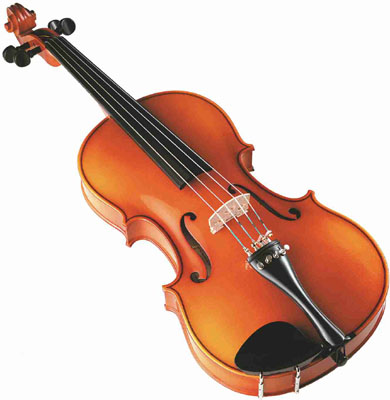
A member of the strings family. Made with four strings, the Violin is at the core of every Western and most European orchestras. Played similar to the Guitar, the strings can be shortened with the fingers to produce different tones. Unlike the Guitar, the Violin can be plucked or bowed.
